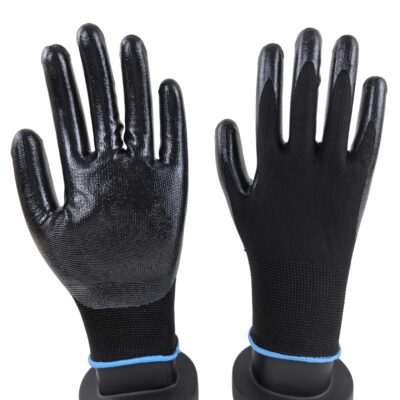



Introduction: Balancing Quality and Cost in Glove Production
For brands and distributors in the glove industry, choosing between leather and synthetic materials can be a defining decision. Both have unique benefits depending on your target market, application, and price positioning.
Partnering with a knowledgeable leather gloves manufacturer helps you evaluate not just aesthetics and performance—but also sustainability, comfort, and long-term value.
1️⃣ Leather Gloves: The Classic Standard of Quality
Leather has long been associated with craftsmanship and luxury. It provides a soft texture, natural breathability, and excellent grip, making it ideal for driving, fashion, or heavy-duty work.
High-quality suppliers source top-grain or full-grain hides, ensuring long wear life and flexibility. Leather also adapts to hand shape over time, providing a personalized fit that synthetic materials rarely achieve.
However, leather production involves higher material and processing costs, which may impact pricing for brands seeking mass-market affordability.
2️⃣ Synthetic Gloves: Modern Efficiency Meets Affordability
Synthetic gloves, typically made from PU, PVC, or microfiber, have advanced significantly in recent years. They mimic leather’s appearance while offering better water resistance and faster drying time.
Factories focused on synthetic gloves production also benefit from cost efficiency, making these gloves ideal for promotional lines or large-scale retail programs. Additionally, synthetic materials support vegan-friendly branding—a growing trend in global retail.
3️⃣ Comfort, Performance, and Application
Leather excels in insulation and grip, while synthetic gloves often provide more uniform texture and color consistency. For outdoor or industrial use, many brands combine both—using leather palms for durability and synthetic backs for flexibility.
A reliable custom gloves manufacturer can help you design hybrid models that balance performance and price, ensuring you meet diverse consumer needs without compromising your brand’s positioning.
4️⃣ Environmental and Ethical Considerations
Sustainability plays a growing role in material selection. Leather, when responsibly sourced from by-products of the meat industry, can be eco-friendly. Yet synthetic materials made from petroleum can raise concerns unless produced using recycled or bio-based alternatives.
Forward-thinking glove factories are now developing PU-based synthetics with lower carbon footprints, appealing to environmentally conscious brands.
5️⃣ Branding and Market Perception
Leather conveys luxury, craftsmanship, and tradition—perfect for premium fashion and driving gloves. In contrast, synthetic materials communicate innovation, versatility, and value. The choice depends on your audience: business professionals may prefer leather, while active lifestyle customers often favor synthetic.
Brands that clearly communicate the advantages of their material choices tend to build stronger trust and recognition in their market segment.
Conclusion
Whether you choose leather for elegance or synthetic for efficiency, the right production partner makes all the difference. Collaborating with a professional leather gloves supplier ensures your products meet both quality and design expectations, while a trusted synthetic gloves factory helps you achieve scalability and modern appeal.
By working closely with a skilled custom gloves manufacturer, you can offer the perfect balance between tradition and innovation—delivering gloves that truly fit your brand identity and your customers’ hands.